Ansuman Ghosh, Director of Engineering of UK P&I, recently shared on the risk emerging profile associated with the growing presence of dual vessels within the global fleet:
Regulatory frameworks such as the EU Emissions Trading System (EU ETS) and FuelEU Maritime have accelerated the industry’s engagement with clean technologies and alternative fuel solutions designed to mitigate carbon emissions from shipowner’s fleets. It is within this context that LNG has emerged as a leading fuel in transition.
LNG provides an immediate reduction in sulphur oxides (SOx), nitrogen oxides (NOx) and particulates. Furthermore, the development of LNG has the potential to forge a clear pathway to bio-LNG and synthetic LNG, which can be sourced in a more sustainable manner, and are both currently compatible with existing engines and bunkering infrastructure.
Despite these benefits, the LNG fuel pathway is not without its challenges. The presence of methane slip, which greatly impacts LNG’s position as a viable, long-term green fuel choice, has called the fuel’s sustainability credentials into question. However, ongoing advances in engine technology are helping to mitigate the issue, by enabling a more optimised combustion process to improve efficiency and lower methane emissions.
Given the nascent stage of development of wider alternative fuels, the maritime industry has embraced LNG as a credible low-carbon fuel. The Maritime Port authority of Singapore reported a fourfold year-on-year increase in LNG bunker volumes (S&P Global), with 1,381 LNG-fuelled vessels in operation at the end of 2024, and 849 on order (Lloyd’s Register).
The challenges of managing dual-fuelled vessels
The UK P&I Club has been working with Members using LNG as a marine fuel for over 50 years and continues to support them in scaling its use as standards, regulation and operational requirements evolve. Part of the Club’s commitment to supporting its members is helping them navigate the emerging risks of the alternative marine fuel landscape, and identify potential challenges.
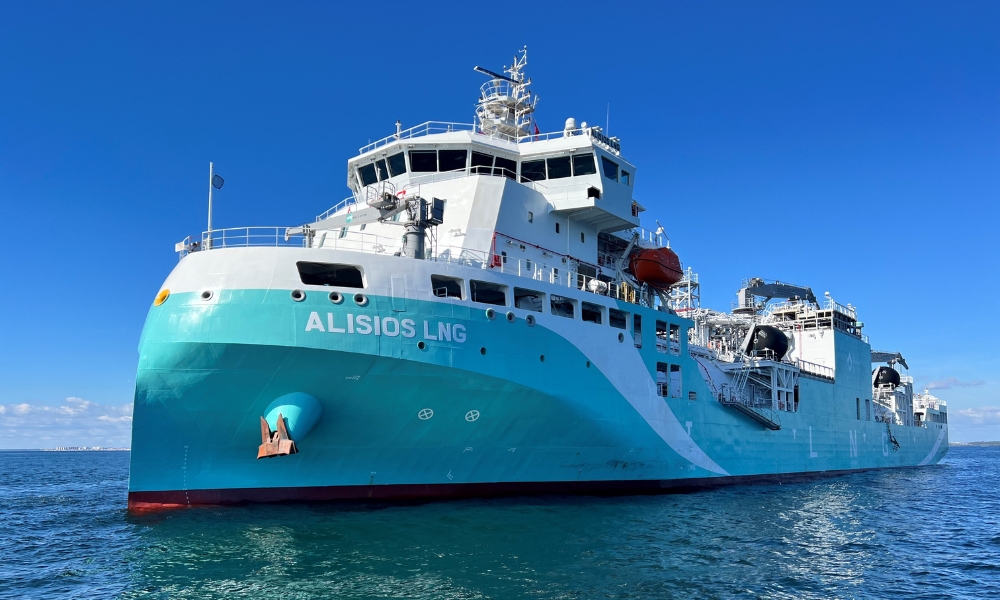
As a result of new fuel types, the maritime industry has experienced an increase in the use of dual and tri-fuel vessels that can operate on a variety of fuels including LNG, Very Low Sulphur Fuel Oil (VLSFO), and Marine Gas Oil (MGO). Recent reports suggest that 7.4% of the global fleet was reported to be operating with dual-fuel engines. However, new claims data by the UK P&I Club – which has been supported by analysis from the leading global law firm Holman Fenwick Willan LLP (HFW) – suggests an emerging operational and contractual risk inherent in these vessels that owners and charterers must be prepared for.
When dual-fuel vessels operate primarily on low carbon fuels, such as LNG, this can lead to the extended storage of more traditional fuels, such as VLSFO. When VLFSO is left dormant for extended periods of time, the quality of the fuel can start to break down whilst it remains static and unused. This can lead to de-bunkering processes or machinery issues.
VLFSO has been found to degrade in as little as three to six months (CIMAC), compared to High Sulphur Fuel Oil (HSFO) which has been found to remain stable in storage for up to two years. VLSFO, that contains a maximum sulphur content of 0.5 percent, can separate and solidify in bunker tanks rendering it unusable and can cause damage to machinery, pipes, and the engines themselves.
Despite the significant risk posed by the operation of dual-fuelled engines, robust fuel management processes represent a viable means of mitigating risk. For instance, ongoing monitoring practices can support regular recirculation of fuel to avoid stratification, as well as maintaining optimal storage temperatures. Furthermore, regular inspection can support early detection of degradation by identifying sludge, discoloration, or unusual odours.
Contractual complexities
While the operational implications posed by fuel degradation in dual-fuelled engines are significant, shipowners and charterers must also be mindful of the contractual challenges that they entail.
Standard time charterparty agreements will include a minimum specification for the fuel that has been supplied by the charterer and will guarantee that a certain fuel will be fit to consume in a vessel’s engine. However, such clauses do not clarify the minimum requirements for monitoring the ongoing condition of the fuel during operations and often lack provisions for the allocation of accountability for monitoring fuel quality during long term storage.
If the use of degraded fuel leads to an incident, the owner may be liable under bailment duties, which obliges the owner to exercise reasonable care over the fuel. However, it is worth noting that a case of this nature has yet to be tested in court.
Action is the safest mitigation
From a liability perspective, the UK P&I Club recommends that charterparty agreements are amended to explicitly address the evolving risks associated with multi-fuel use. This will require a greater level of collaboration when it comes to fuel management, from both an operational and contractual standpoint.
Although the challenges related to dual-fuelled engines are significant, they can also be effectively mitigated through the use of proactive fuel management and robust charter party agreements. Shipowners who invest in training, monitoring, and procedural discipline can operate dual-fuelled vessels with confidence.
Photo credit: UK P&I
Published: 15 January, 2025