The transition towards digitalisation and automation is speeding up in the maritime industry, and a comprehensive strategy is emerging to turbo-charge efficiency, safety and sustainability.
Yet key questions remain about the adoption of technologies and solutions to enhance operational performance, future-proof fleets while remaining commercially competitive, and ultimately realise the zero-emission goal.
At Asia Pacific Maritime (APM) 2026, held from 25 to 27 March 2026 at Marina Bay Sands, Singapore, operational management will take centre stage as leading shipowners examine the strategies needed to navigate this transformation, powered by next energy and technological innovations.
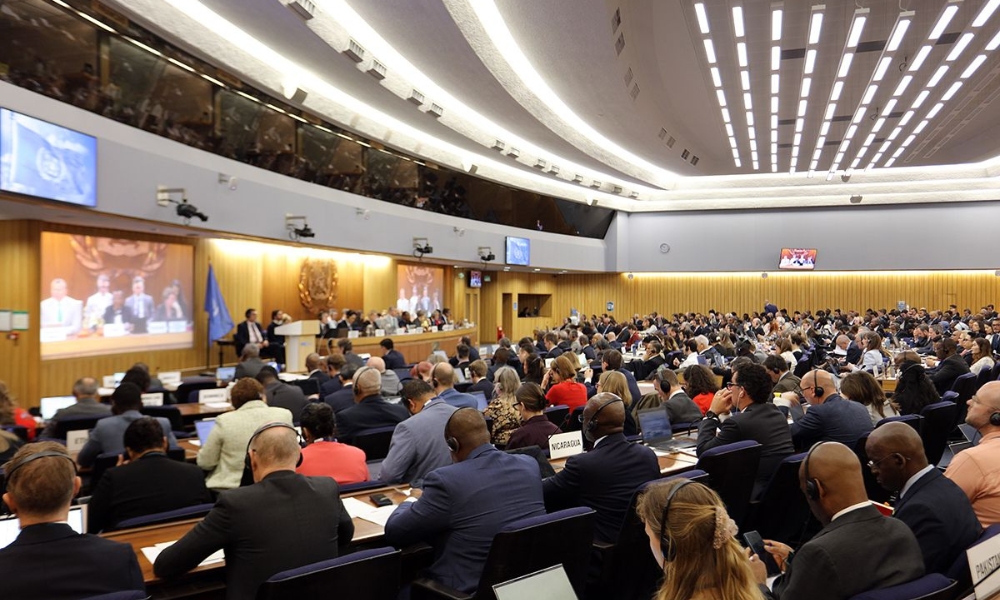
APM 2026 will open with a welcome address from Guest-of-Honour Ang Wee Keong, Chief Executive of the Maritime and Port Authority of Singapore (MPA), followed by an opening keynote panel that will set the tone for the 3-day conference, bringing together 150 senior executives in maritime operations, technical directors, technology leaders and industry stakeholders.
With the overarching theme “Future of Vessel, Solutions for Tomorrow”, the APM 2026 conference will spotlight critical conversations shaping the future of maritime operations. Key discussion topics will include future fuels and zero-emission ships, smart and autonomous ships, next-gen shipbuilding, maritime cybersecurity, finance, risk and insurance for future fleet and electric and hybrid power.
The opening keynote panel, “The Maritime State of Play & What’s Next for Asia”, on 25 March, 11.10am to 12.00pm, will confront the core trade-offs facing industry leaders today: balancing immediate cost pressures with long-term decarbonisation goals, selecting viable fuel pathways, and strengthening resilience amid regulatory and trade flow uncertainty.
Moderated by Punit Oza, President of the Institute of Chartered Shipbrokers, the panel brings together:
- Mohamed Safwan Othman, President and Group Managing Director, Dinastia Jati Group and Chairman, Malaysia Shipowners’ Association (MASA) and Federation of ASEAN Shipowners’ Association (FASA)
- SK Lim, Managing Director, Pacific, G2 Ocean
- Jotaro Tamura, Senior Managing Executive Officer, Mitsui OSK Lines
- Joey Chua, Chair, Digitalisation Committee, Singapore Shipping Association
- Ben Pike, COO, Swire Shipping
- Roine Ahlquist, CCO, Wilhelmsen
“Shipowners across ASEAN are operating in an environment defined by tighter decarbonisation targets, rising compliance costs and increasing pressure to digitalise. The challenge is not a lack of ambition but the complexity of execution. Decisions around alternative fuels, fleet renewal and digital investments require careful calibration of capital, risk and long-term competitiveness,” said Mohamed Safwan Othman, President and Group Managing Director, Dinastia Jati Group and Chairman, Malaysia Shipowners’ Association (MASA) and Federation of ASEAN Shipowners’ Association (FASA).
“I look forward to productive discussions at APM with fellow C-Suite leavers on how to build resilience in this era of constant change.”
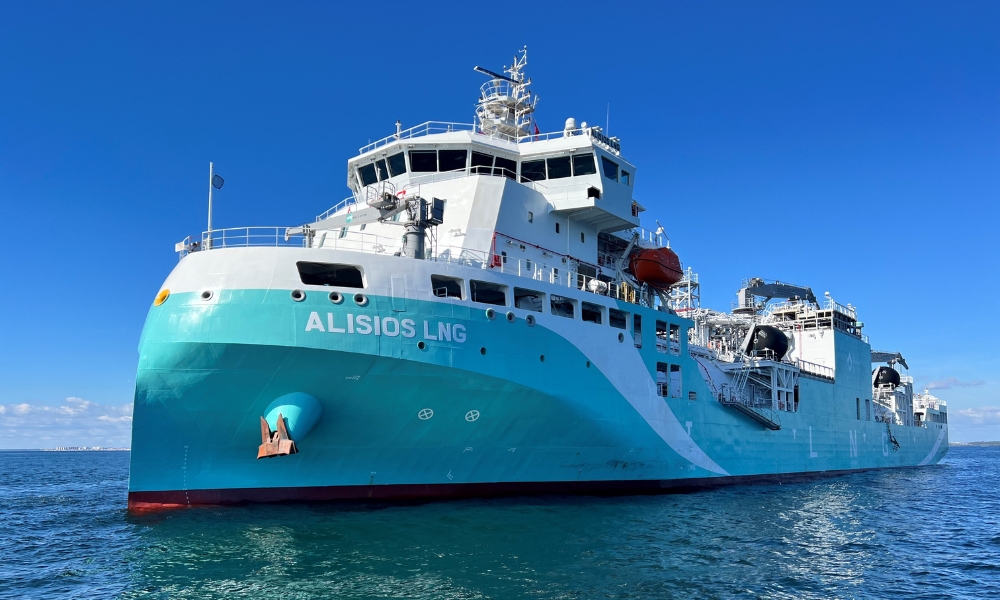
Beyond strategy, APM 2026 will address how transformation is unfolding at the vessel level. The panel discussion, “Securing LNG’s Long-Term Viability as a Shipping Fuel” on 26 March, 10.30am to 11.20am, will explore the renewed momentum behind LNG-fuelled vessels and assess whether LNG can remain competitive in a tightening decarbonisation landscape. While LNG remains the most established alternative fuel in shipping, increasing scrutiny around methane slip and lifecycle emissions has prompted deeper evaluation of its long-term role.
“LNG is no longer an experimental fuel; it is a proven solution with established infrastructure and operational experience. However, its long-term viability will depend on continuous technological evolution and broader industry adoption, particularly in reducing methane slip. The industry is also exploring the scalability of bio-LNG and e-LNG to maintain operational reliability and efficiency – a key topic we look forward to discussing at APM 2026,” said Sachin Saharawat, Technical Director, Eastern Pacific Shipping.
Note: More information on APM 2026 including the list of speakers, presentations and panel discussions can be found here.
Photo credit: RX Global
Published: 6 March, 2026