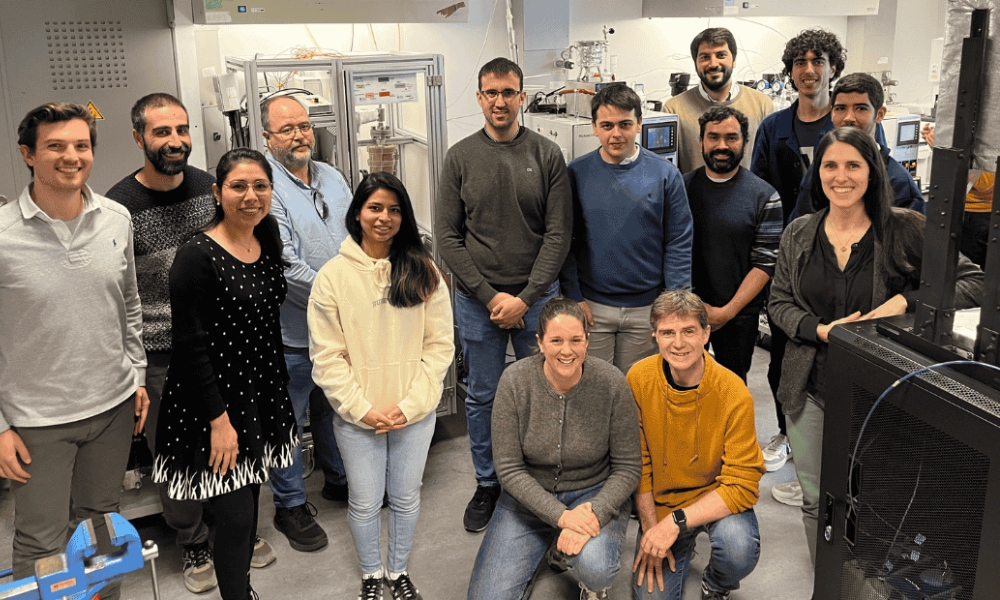
A consortium led by the Catalonia Institute for Energy Research (IREC) has developed and validated an innovative process to produce sustainable maritime fuels from wastewater and CO₂ generated during its treatment, in collaboration with the Port of Barcelona, Aigües de Barcelona, Cetaqua, and CIMNE.
The developed solution demonstrated that this transformation is technically feasible and enables progress towards greater environmental sustainability in sectors that are difficult to electrify, such as maritime transport.
This milestone is aligned with the Energy Transition Plan of the Port of Barcelona, recently approved and aimed at decarbonising port activities.
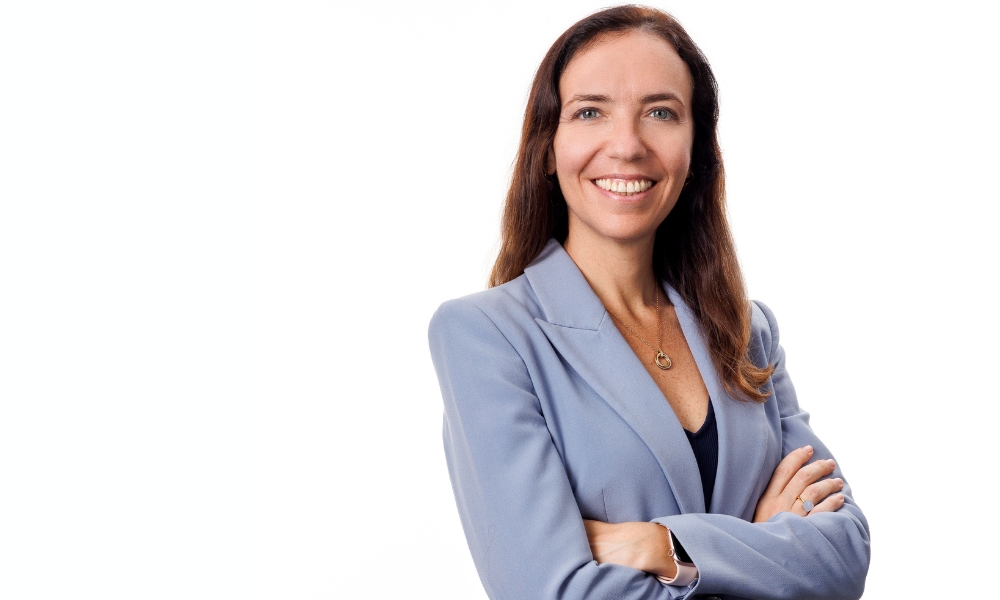
Lucile Bernadet, project coordinator at IREC, said: “SUPORT demonstrates that it is possible to provide real solutions for the decarbonisation of sectors such as maritime transport, where direct electrification is not feasible.
“In addition, these fuels can be used in other types of engines, such as trucks. We believe this is a key step towards accelerating the energy transition.”
The process is based on the integration of two technologies developed at IREC, known as co-electrolysis and the Fischer–Tropsch catalytic reaction, which together improve the overall efficiency of the system. Cetaqua and Aigües de Barcelona have worked on processes to obtain biological hydrogen through the digestion of organic matter and sludge generated in the wastewater treatment plants they manage.
In parallel, CIMNE-CENIT has carried out an economic and environmental impact analysis that supports the potential of the technology as a viable and scalable solution, while the Port of Barcelona has studied the demand for this type of alternative fuel for maritime transport.
The fuel obtained is fully compatible with conventional fuels, allowing for partial or total substitution with the synthetic fuels produced, as they can be blended without difficulty, thereby reducing associated emissions.
“The SUPORT project has enabled laboratory-scale testing of a new sustainable fuel production technology that can help advance the decarbonisation of the maritime sector,” said Daniel Ruiz, Head of Sustainable Fuels at the Port of Barcelona.
“The next challenge is to scale this technology to an industrial level in order to expand the supply of zero-emission fuels that help decarbonise the entire logistics chain, both maritime and land-based.”
SUPORT represents an example of circular economy applied to the maritime sector, demonstrating that the recovery and reuse of waste and CO₂ is a viable pathway to achieving sustainable and competitive fuels, in line with European objectives for energy transition and climate neutrality by 2050.
The work at IREC has brought together researchers from two departments, coordinated by Lucile Bernadet and Marc Torrell from the Nanoionics and Fuel Cells Department, with the participation of Jordi Guilera from the Sustainable Fuels group of the Energy Storage, Harvesting and Catalysis Department.
Photo credit: IREC
Published: 6 February, 2026