Shandong Maritime Safety Administration released a safety regulatory framework for alternative fuel bunkering operations in late January, which came into effect from 1 February.
The new regulations, “Shandong Maritime Safety Administration Regulations on the Supervision and Management of Safety and Pollution Prevention for New Fuel Bunkering Operations on Vessels”, specifically address challenges of supervising new fuel bunkering, building a solid safety framework for the green transformation of Shandong’s port and shipping industry.
Shandong’s port and shipping industry achieved several milestones in the application of new fuels —Qingdao Port has completed the first biofuel bunkering transaction for an international voyage in northern China and the first methanol bunkering bunkering for ships in Shandong, while LNG and hydrogen fuel bunkering has become a routine service in many coastal areas.
However, the administration pointed out that the lack of unified regulatory standards for diversified fuel bunkering became a bottleneck for the industry’s development.
The new measures focus on three core issues: clarifying the management requirements for the entire operation process, covering pre-, during-, and post-operation elements such as area selection, equipment standards, and time specifications; defining the safety and pollution prevention responsibilities of all parties involved, including stakeholders in the bunker industry, receiving vessels, and terminals, and unifying implementation standards; and formulating differentiated operating procedures for LNG, hydrogen, ammonia, and biofuels based on their characteristics.
The measures systematically clarify for the first time the regulatory bodies, operating procedures, and safety requirements for new fuel bunkering operations, achieving full-chain coverage from information reporting by operating units and pre-operation risk assessment to dynamic monitoring during operations and post-operation inspections; including all new marine fuels such as liquefied natural gas, alcohol fuels, hydrogen fuels, ammonia fuels, and biofuels within the regulatory scope, taking into account both current application needs and future development trends; strengthening technological empowerment, requiring the installation of intelligent monitoring systems and promoting digital tools such as electronic delivery notes (e-BDNs); and aligning with local development needs to support the construction of Shandong’s green port and shipping and international shipping centre.
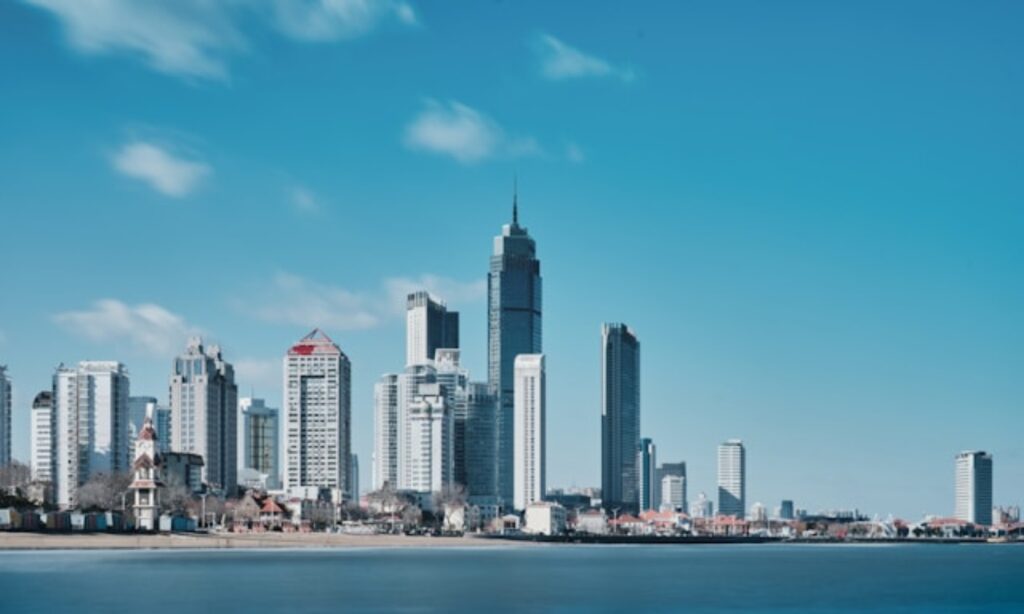
Photo credit: Willem Chan on Unsplash
Published: 13 February, 2026