Classification society DNV on Monday (26 January) released a statutory news on the 12th session of the IMO Sub-Committee on Ship Design and Construction (SDC 12), which established a work plan for the development of a safety regulatory framework to support the reduction of GHG emissions from ships using new technologies and alternative marine fuels.
The following are excerpts from the article:
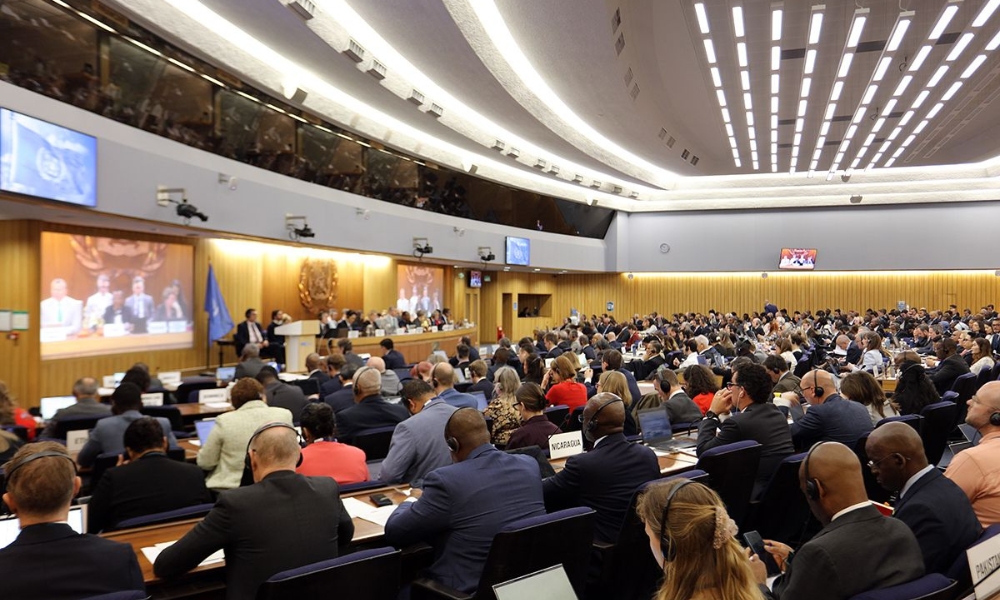
The 12th session of the IMO Sub-Committee on Ship Design and Construction (SDC 12) took place from 19 to 23 January 2026. SDC 12 finalized the revised Explanatory Notes for the Safe Return to Port concept, the new guidelines for the use of remote inspection techniques under the 2011 ESP Code, and the interim guidelines for the use of fibre reinforced plastics in ship structures.
New initiatives were also considered, including performance standards for engine control room alert management as well as a work plan for the development of a safety framework for emerging technologies such as wind propulsion, battery power and nuclear reactors.
New technologies and alternative fuels
The Maritime Safety Committee has considered potential alternative fuels and new technologies to support the reduction of greenhouse gas (GHG) emissions from ships from a safety perspective, and has identified safety obstacles, barriers and gaps in the current IMO instruments that may hinder their use. Related recommendations to support the possible safe use of these new fuels and technologies have been assigned to the relevant Sub-Committees.
SDC 12 considered the recommendations from MSC 110 and prepared a work plan for the development of a safety regulatory framework to support the safe uptake of new technologies and alternative fuels. The work plan includes the following technologies and possible deliverables:
Lithium-ion batteries and swappable traction lithium-ion battery containers:
- Consideration of draft amendments to SOLAS Regulation II-1/41 to allow for batteries to be used as the main source of electrical power and lighting systems.
- The initial work plan indicates target completion in 2028 of any draft amendments.
Wind propulsion and wind-assisted power:
- Consideration of revisions to the Intact Stability Code and the development of interim guidelines for the safety of ships using wind propulsion and wind-assisted power.
- Initial tasks include identifying relevant parts of IMO instruments, and relevant existing hazard-identification work
- The initial work plan indicates target completion in 2029 of any draft amendments and new guidelines
Nuclear power:
- Consideration of a revised Nuclear Code and related amendments to SOLAS Regulation VIII.
- Initial tasks include compiling information on previous hazard identification work and developing a comprehensive inventory of potential challenges related to the use of nuclear reactors for maritime applications.
- Any deliverables are expected in 2030, at the earliest.
Note: The full statutory news can be found here.
Photo credit: CHUTTERSNAP on Unsplash
Published: 28 January, 2026