中文
INTERNATIONAL

ABP, LBC among ports to study CCS shipping corridors between Northern Europe and UK

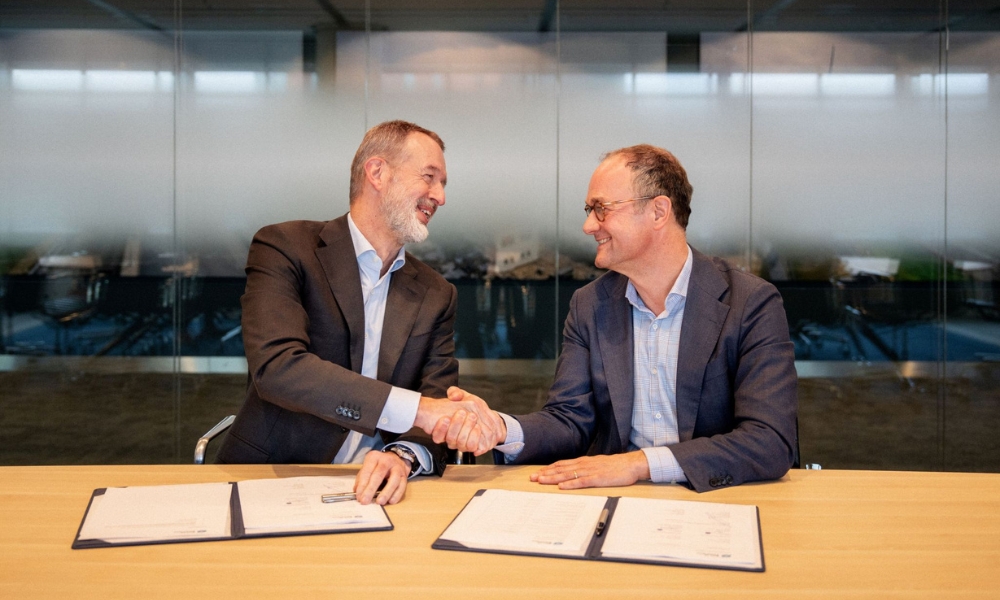
MoU – one between ABP and LBC and North Sea Port and one between ABP and the Port of Esbjerg – set the stage for collaborative efforts to develop shipping routes for captured CO₂.

The Memoranda of Understanding (MoU) – one between ABP and LBC and North Sea Port and one between ABP and the Port of Esbjerg – on Monday (26 January) set the stage for collaborative efforts to develop shipping routes for captured carbon dioxide (CO₂), enabling hard-to-abate sectors to cut emissions while supporting and growing good jobs. 

This new shipping market adds to the positioning of ports as key players in the green economy.

Henrik Pedersen, Chief Executive Officer of ABP, said: “Ports have always been gateways for energy. Today, they are at the forefront of the energy transition. This agreement is about building the infrastructure and partnerships needed to decarbonise industry and create new opportunities for sustainable growth.

“It paves the way for the UK to utilise its world leading geological assets to provide near term options for emissions reductions across Europe and realise significant export potential for the UK.

This is not just about reducing emissions – it’s about creating a new market for carbon shipping that will help Europe meet its climate goals and secure industrial competitiveness and the jobs that rely on it at pace.”

The two MoUs will focus on:

  • Designing port infrastructure for CO₂ handling, storage and shipping.
  • Building a robust value chain for CO₂ transport between ABP’s Humber ports and leading European ports and infrastructure asset owners.
  • Driving innovation and efficiencies in carbon capture, utilisation, and storage (CCUS) related transportation.


Photo credit: Associated British Ports
Published: 28 January, 2026
Our Industry Partners

Latest Posts

Tideform relaunches with AI bunker market agent, appoints Kenneth Juhls as CEO

Evos Rotterdam expands methanol, ethanol capacity for growing bunkering demand

Enagás and Axpo roll out new 12,500 m³ LNG bunkering vessel at Port of Huelva

DNV study for EMSA backs design-based safety approach for hydrogen‑fuelled ships

IMO to hold Extraordinary Council meeting on 18 to 19 March to discuss Middle East crisis

Baltic Exchange: Bunker Report (12 March 2026)

Related Posts

IMO to hold Extraordinary Council meeting on 18 to 19 March to discuss Middle East crisis

DNV study for EMSA backs design-based safety approach for hydrogen‑fuelled ships

Enagás and Axpo roll out new 12,500 m³ LNG bunkering vessel at Port of Huelva

Evos Rotterdam expands methanol, ethanol capacity for growing bunkering demand

Tideform relaunches with AI bunker market agent, appoints Kenneth Juhls as CEO

Oilmar: Navigating Asian bunker markets in the current Middle East geopolitical crisis

Wallenius Wilhelmsen secures two-year bio-methanol bunker fuel supply from Equinor

MOL acquires 25% stake in V.Ships France, expands LNG fleet under management

IINO Kaiun Kaisha completes biofuel trial voyage on bulk carrier “YODOHIME”

ElbOil at 15: Marine fuel trader reflects on expansion and energy transition in bunkering

Idemitsu Kosan taps Consort Bunkers for green methanol bunkering in Singapore, East Asia

Ammonia-fuelled engines included in J-ENG’s renewed licence deal with Akasaka