
THE NEW REALITY OF MARCH 2026
The global bunkering industry has just been handed a stark reminder that geopolitical stability can evaporate in a single weekend. Following the US-Israeli strikes on Iranian facilities in late February, we have moved into an era of extreme price and supply volatility. The de facto closure of the Strait of Hormuz—a chokepoint for 20% of the world’s oil—has shifted the industry’s focus from profit margins to basic operational survival.
A MARKET IN SHOCK
The numbers tell a story of immediate stress. On Thursday, March 5, 2026, VLSFO delivered in Singapore was priced at $677/MT up by $174/MT in less than a week. Demand is also shifting unpredictably, with bunkering at Fujairah slowing severely after a fire last week.
While the conflict is centered in the Gulf, the supply ripples are reaching much further. There are reports of severe supply insecurity in major import-dependent nations, with some markets already warning of possible rationing.
LEGAL PRESSURE POINTS: ARE YOUR CONTRACTS “FIT FOR WAR”?
In a volatile market, the risk of non-performance by either buyer or seller significantly increases. Understanding one’s rights and obligations in a crisis is essential. We highlight legal concepts that may come into play.
- The Risk of Repudiation: Price and supply volatility can give rise to stressful disputes. Sharp changes in price may tempt either buyers or sellers to distance themselves from previously agreed forward commitments. Supply chain uncertainty can make the ability to perform unpredictable. This can give rise to stressful situations where one has to decide whether to terminate the bunker supply agreement and attempt to mitigate losses. The decision to terminate is not always a simple one because your counterparty may not always clearly indicate by words or conduct whether they intend or are able to perform or not. It would be worthwhile to consider whether there is a risk of liability for wrongful termination.
- Incorporation of terms and conditions of sale: While less common, disputes do occasionally arise as to whether a separate set of terms and conditions of sale have been validly incorporated into the bunker supply agreement. Such disputes may arise when parties are in disagreement as to whether a purchase order or bunker confirmation constitutes the binding agreement, and when a set of terms of conditions were not provided or made accessible to a counterparty.
In particular, it is worth highlighting typical boilerplate clauses in terms and conditions of sale that have a role to play in volatile markets:
- Force Majeure clauses: Force majeure clauses excuse non-performance by either party upon the occurrence of stipulated events. Whether such clauses are invoked will depend on the specific wording used. As a general rule of thumb, such clauses are not typically easily invoked but it is important to bear in mind that we are not in typical times. Such clauses invariably mention events such as war and hostilities and are therefore worth reviewing. However, it is rare that mere economic hardship would suffice to excuse non-performance.
- Subject to availability clauses: It is common for terms and conditions of sale to make a seller’s obligation to supply subject to product availability. This can be an important clause bearing in mind supply volatility and geographical shifts in demand.
- Limitation of liability clauses: It is common for terms and conditions of sale to limit a seller’s liability in the event of default. For example, a seller’s liability may be expressed to be limited to the value of fuel price or a fixed quantum.
- Exclusion of liability clauses: Equally common are exclusion of liability clauses that go further and completely exclude certain heads of liability. For example, such clauses may exclude liability for demurrage, damages for delay, loss of profit, freight or hire, and indirect losses.
COMMERCIAL STRATEGY: STRUCTURING FOR STABILITY
How should businesses respond? In volatile markets, relying solely on spot purchases can expose buyers to significant price swings.
Fuel Hedging: Fuel price risk can be managed through hedging strategies such as futures contracts, options and swaps, allowing buyers to lock in fuel prices or cap exposure to sudden spikes.
Flexible Pricing Structures: Instead of fixed-price contracts, bunker supply agreements incorporate pricing adjustment mechanisms or trigger bands, such as the BIMCO Bunker Price Adjustment Clause 2004, can be considered. Such provisions allow parties to revisit pricing when market movements exceed a defined threshold, reducing the likelihood of disputes when prices move dramatically.
CONCLUSION: MOVING BEYOND BOILERPLATE
As Singapore-based maritime lawyers with a global practice, we regularly assist clients in managing challenging and time-sensitive bunker disputes. We also assist with reviewing and amending terms and conditions of sale. Companies navigating today’s market volatility may wish to review whether their contractual framework remains fit for purpose. For further discussion on bunker supply disputes or contractual risk management in volatile markets, please feel free to contact us at: contactus@minglawasia.com.
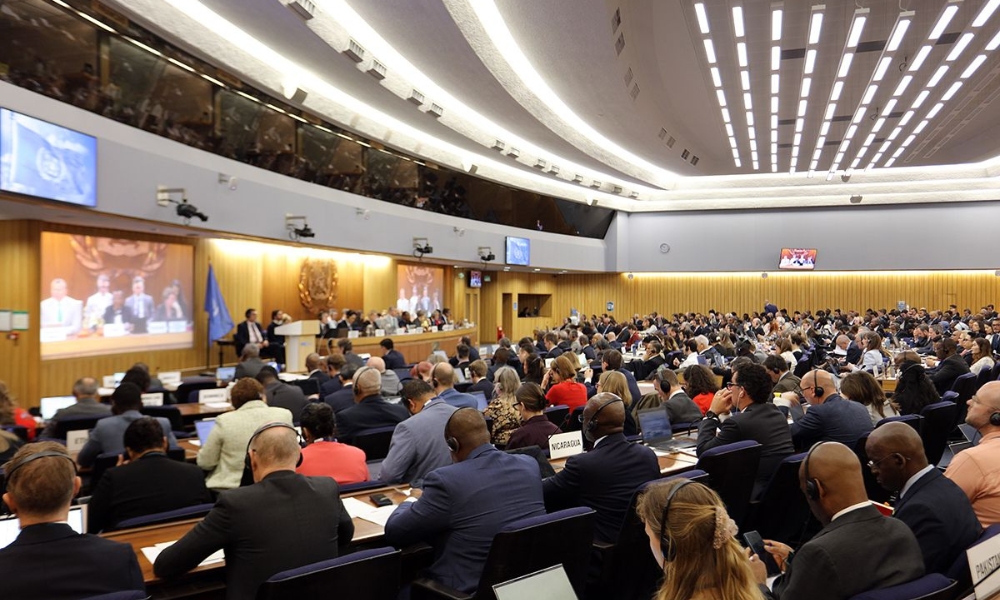
Photo credit: Ming Law
Published: 9 March 2026